Spring and early summer: keep an eye on monsoon readiness
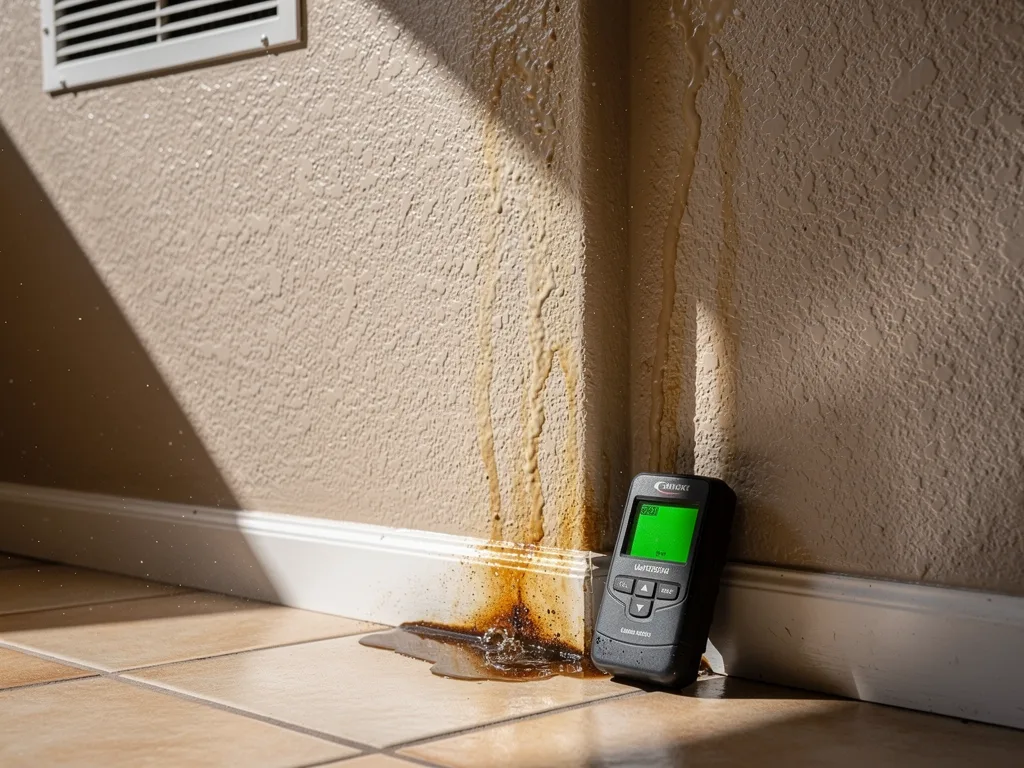
Phoenix storms come fast and can bring a lot of moisture into the attic and roof spaces. Our restoration specialist team recommends inspecting for any roof penetrations or gaps after heavy rain events. Check around skylights and vent flashing, and look for damp attic insulation or ceiling stains. If you notice dampness near exterior walls after storms, it’s worth a check by a pro to verify the inner structure isn’t compromised.
Improve air flow in crawl spaces and under sinks to reduce humidity levels as temperatures rise. A routine dehumidification plan helps prevent hidden moisture that isn’t obvious at surface level.
Summer: humidity management and rapid response
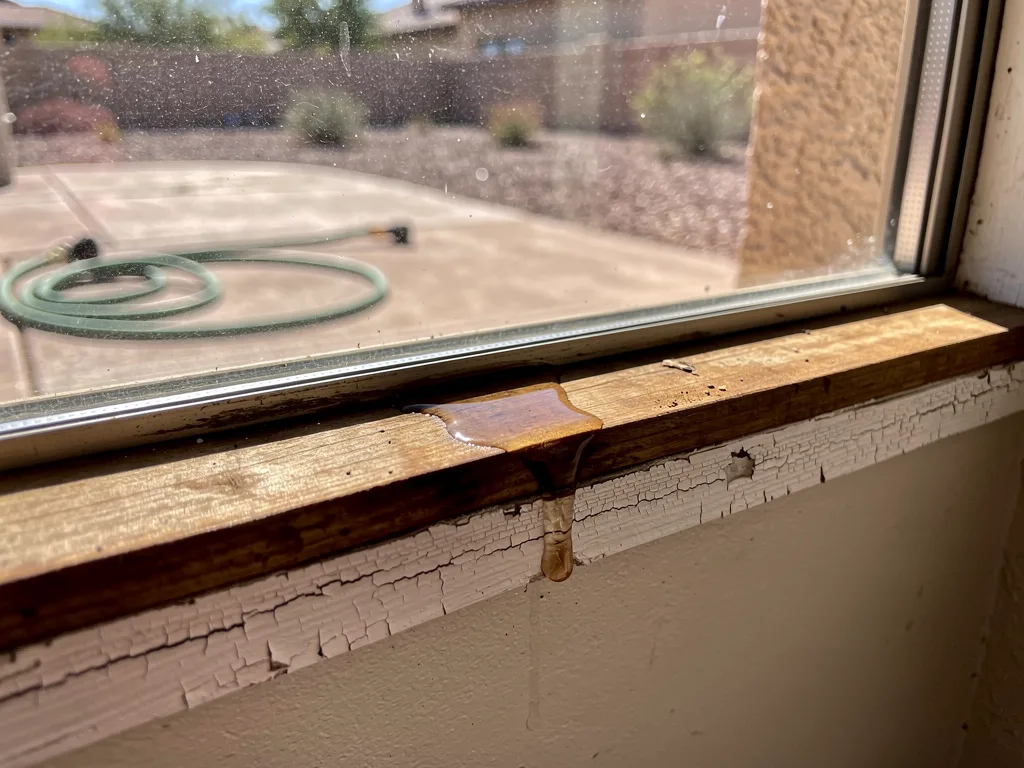
Hot, humid days can push moisture into walls and flooring. The best defense is proactive monitoring. Use a hygrometer in key rooms and set reasonable targets for humidity, especially in kitchens and bathrooms where steam is common. If you spot condensation on windows or doors, treat it as a warning sign and consider a quick professional check to rule out hidden moisture behind walls.
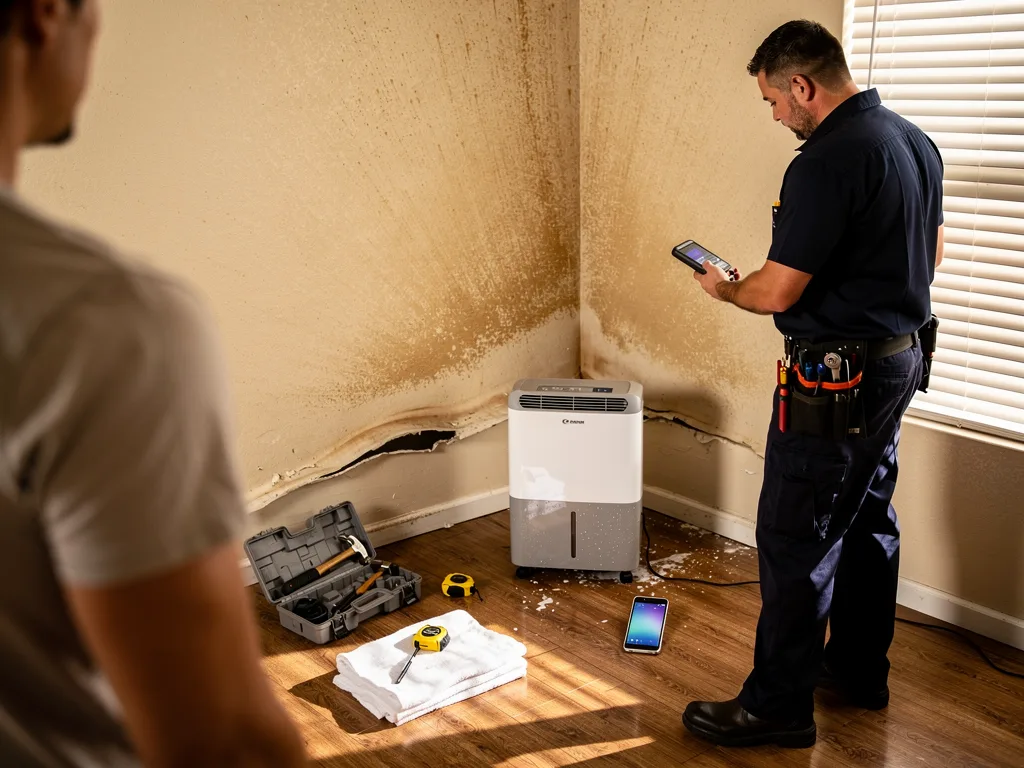
Our team values a fast on-site assessment. If a normal dry-out takes longer than expected after a leak, a Phoenix Water Damage restoration specialist will re-evaluate the plan and adjust for the home’s layout and materials.
Autumn and winter: sealants and heat considerations
As temperatures drop, pipes are at risk of freezing and thawing. In Phoenix, freeze events are rare but possible in cooler nights. Keep indoor temperature steady and protect exposed piping in unheated spaces. If you notice a sudden wet patch after a cold night, contact us for a prompt evaluation. Hidden moisture can linger and lead to more extensive work later on.
Schedule seasonal checks to catch moisture before it becomes a bigger job. A quick visit from our restoration specialist crew can confirm that insulation, seals, and drainage around your home are doing their job properly.